1983
Episode 1 · Martellago, November 1983
an animated film by Tripluca.com
3 minutes 26 seconds. Best with headphones.
Why
It was meant to be an experiment
I wanted to find out what you can really do with artificial intelligence today. Not the usual thirty-second demo: a whole story, with its own places, its own characters and its own rhythm.
Then it got away from me. To rebuild Martellago as it was, I went back through photos, maps and memories, and every shot took me a little further back. The cold of those winters. The arcade. The bar after Mass. The radio that is on but nobody listens to. It moved me far more than I expected.
I hope it moves you a little too.
Luca
What is true and what is not
The scene is real
The prologue is all true: the ACLI bar on a Sunday morning after Mass, the table football, the game of scopa with Treviso cards, the radio nobody listens to.
The news bulletin says only what was really known on the morning of Sunday 4 September 1983, a few days after Korean Air Lines Flight 007 was shot down. Nothing more. The only thing made up is the winter that follows.
The scene is real; what happens next is what we were lucky enough to avoid: the nuclear winter.Luca
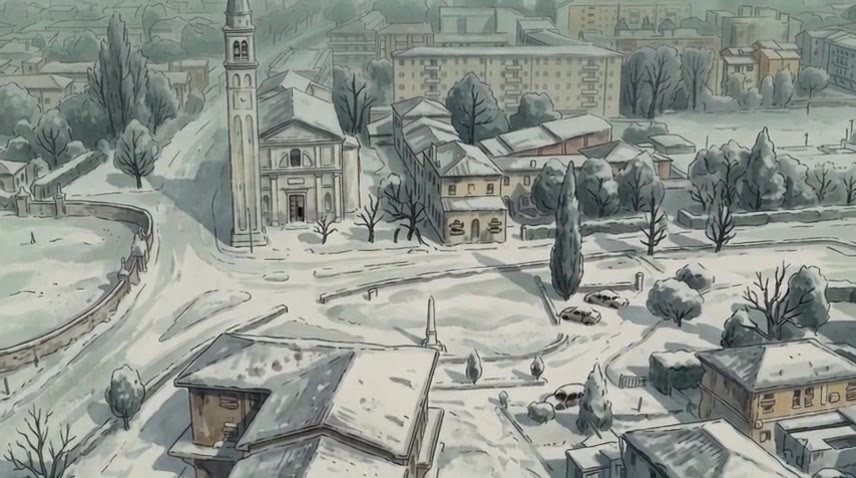
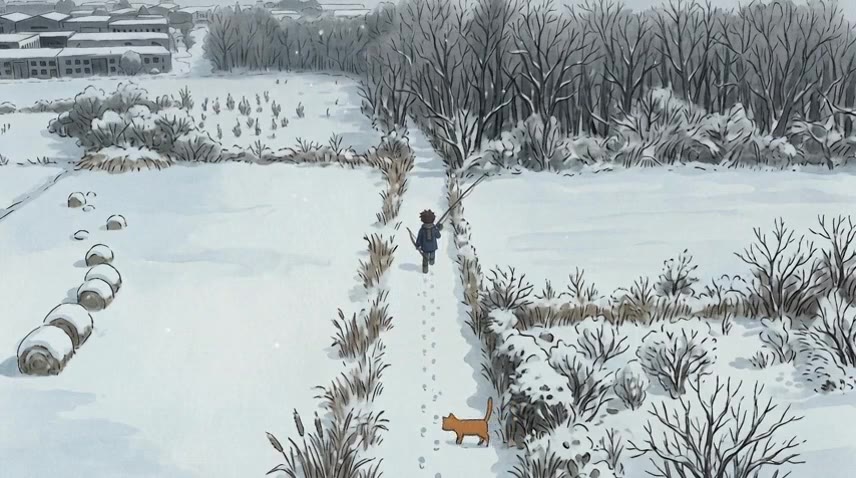
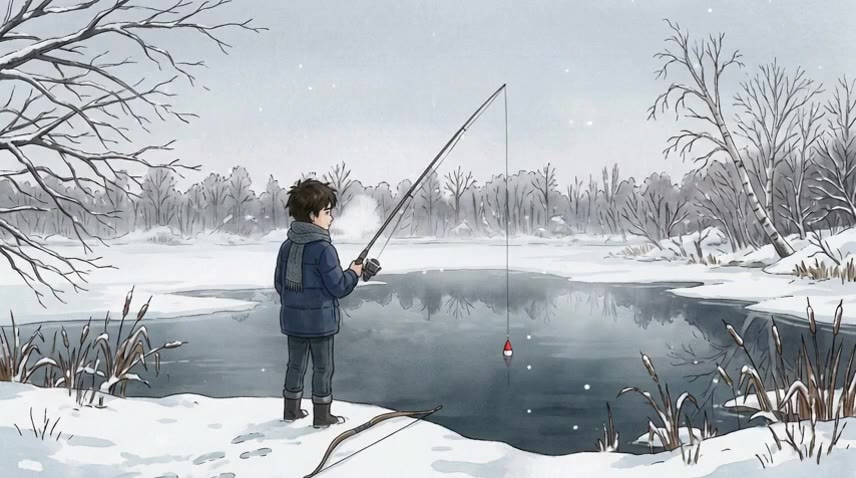
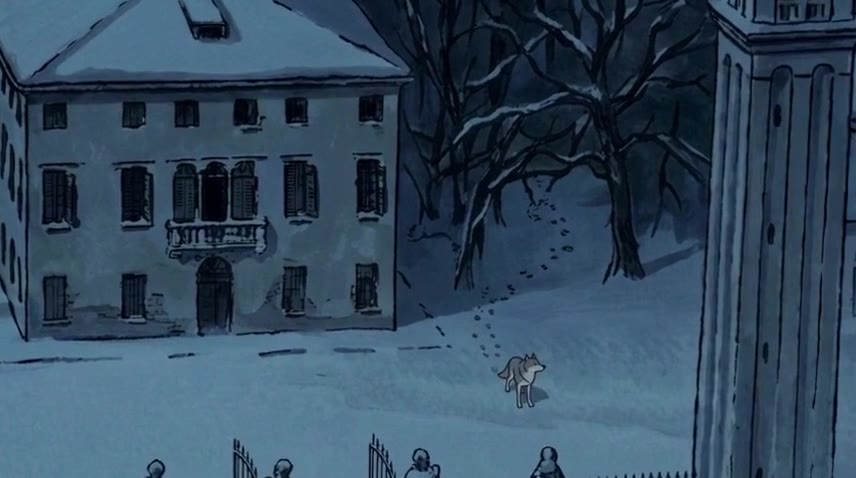
The places are the places of Martellago: the church and its bell tower, the arcade, the Leon d'oro bar, the path to the quarry lakes, Villa Priuli. Drawn as they were, or as a twelve-year-old boy remembers them.
How
It is not just pressing a button
Behind three and a half minutes there are days of work, hundreds of attempts and a great many choices made by hand.
The real place
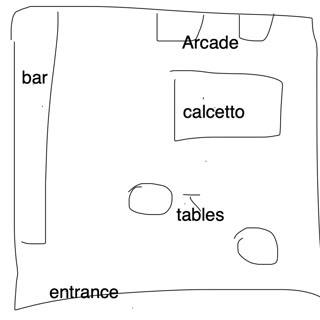
Every place starts from photos, Street View and 3D maps of Martellago, which the model then redraws. Where a photo was not enough, I drew the floor plan of the room myself, by hand.
The boy
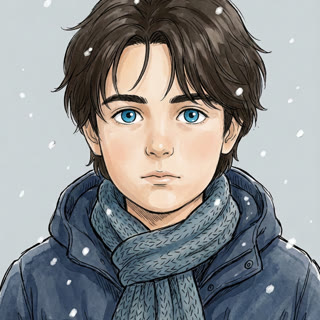
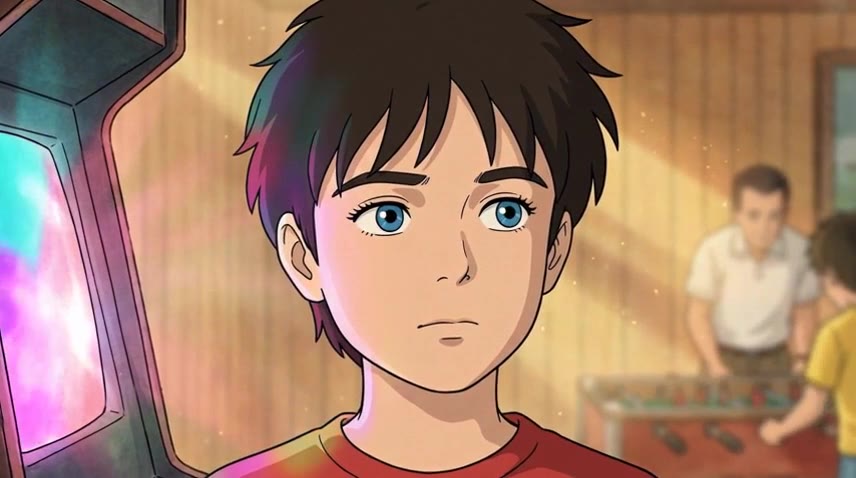
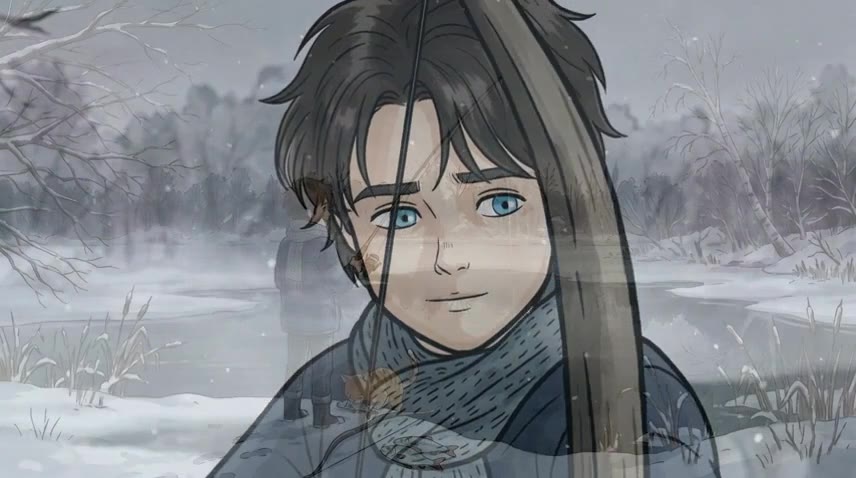
He is me at twelve, rebuilt from family photos taken at different ages: a face halfway between a child and a teenager.
One image for every shot
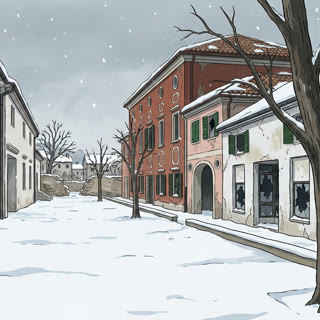
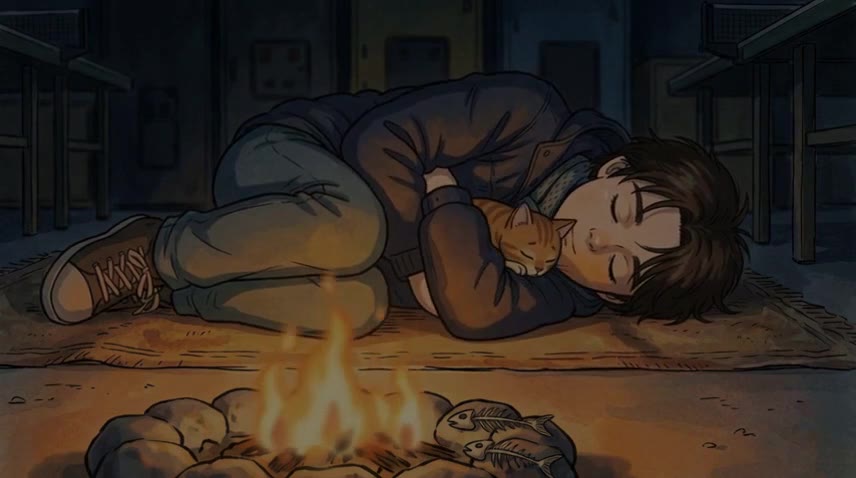
Before anything moves, every shot becomes a still image, generated with Nano Banana 2 through the Venice.ai API and redone until it is right: the door, the snow, the light, the colour of the eyes.
As accurate as possible. For the first episode I did not have all the photos I needed, and a few things slipped through: this image, for example, shows a building that went up later, probably when the bar was renovated. It was not there in 1983.
The animatic
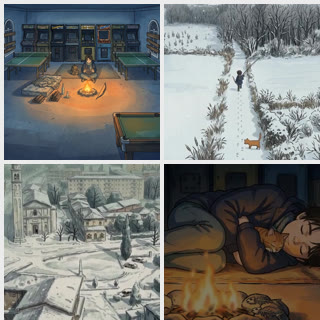
The approved images, lined up at the right length with the sounds. It is how I decide the rhythm before spending money on video.
Movement
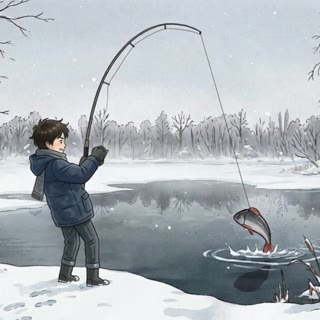
Each image becomes a clip a few seconds long with Seedance 2.5, again through Venice. Often it works first time, sometimes on the fifth.
Sound
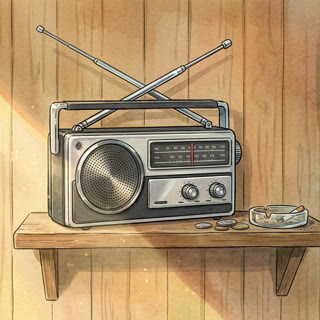
The wind, the footsteps in the snow, the fire, the radio in the bar, the wolf: all made with ElevenLabs. And music written for the film, which changes with the story.
The edit
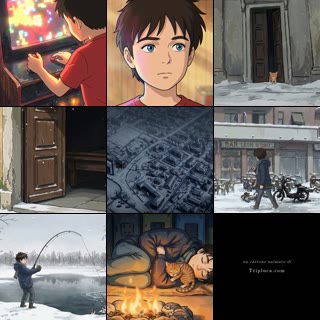
Forty-two versions, watched and corrected one after another: a second less here, the radio a little louder there. Claude Code handled the editing, the checks and the log of every attempt. The decisions were mine.
An example
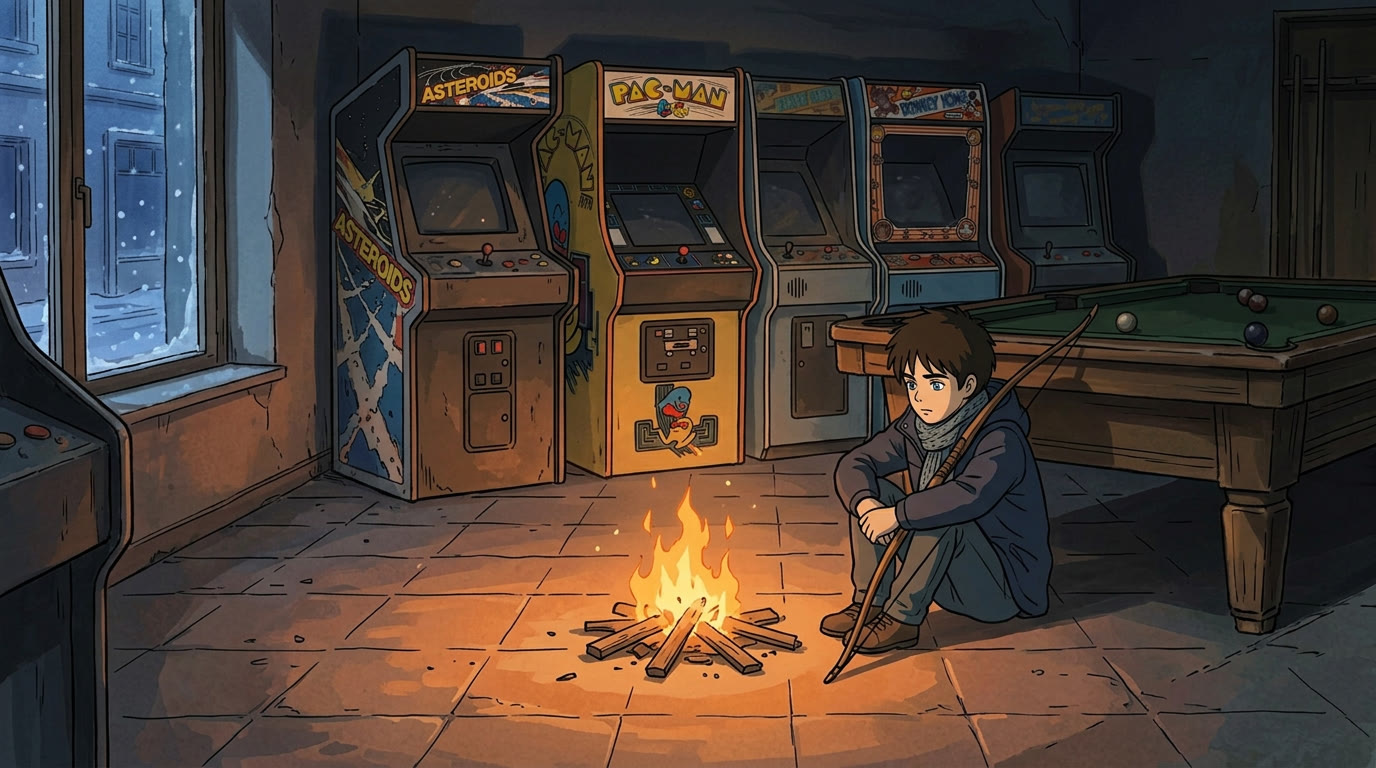
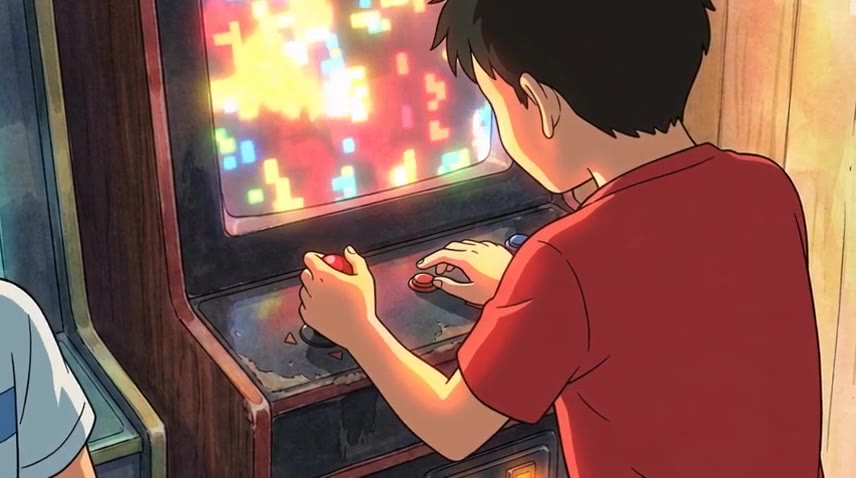
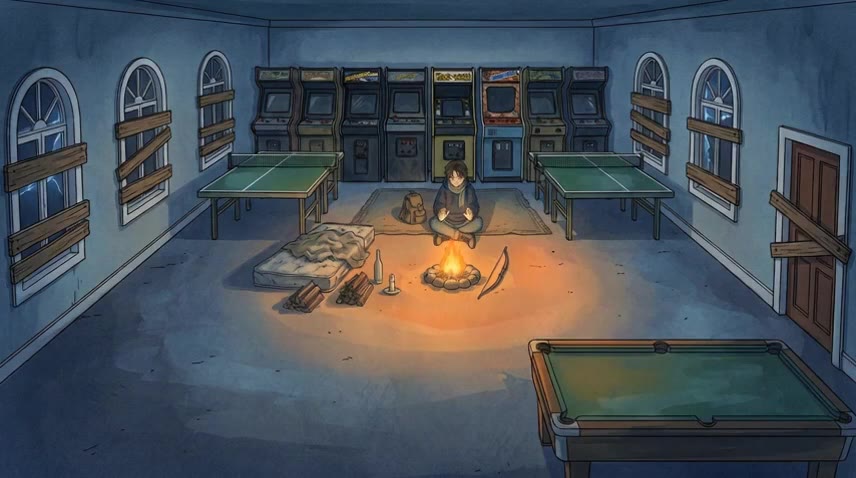
The arcade: ten attempts
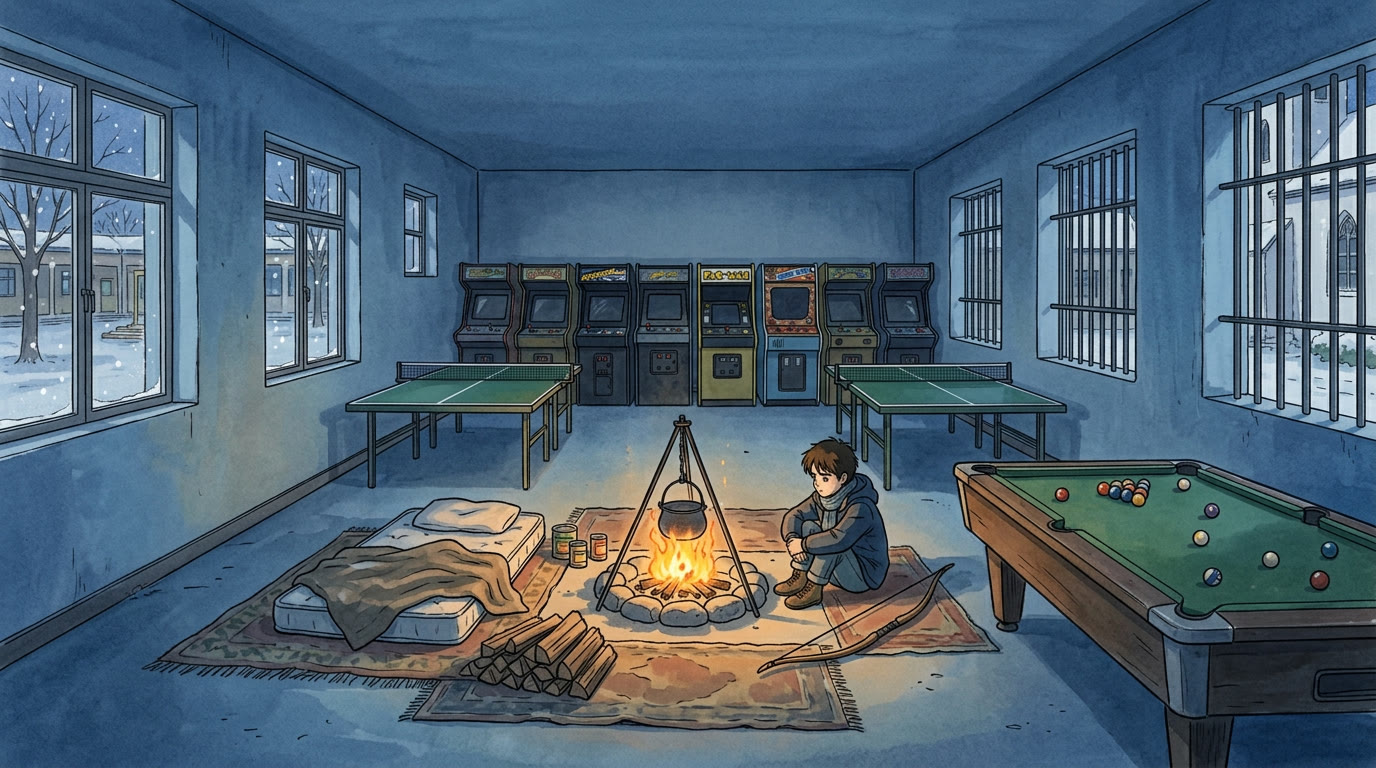
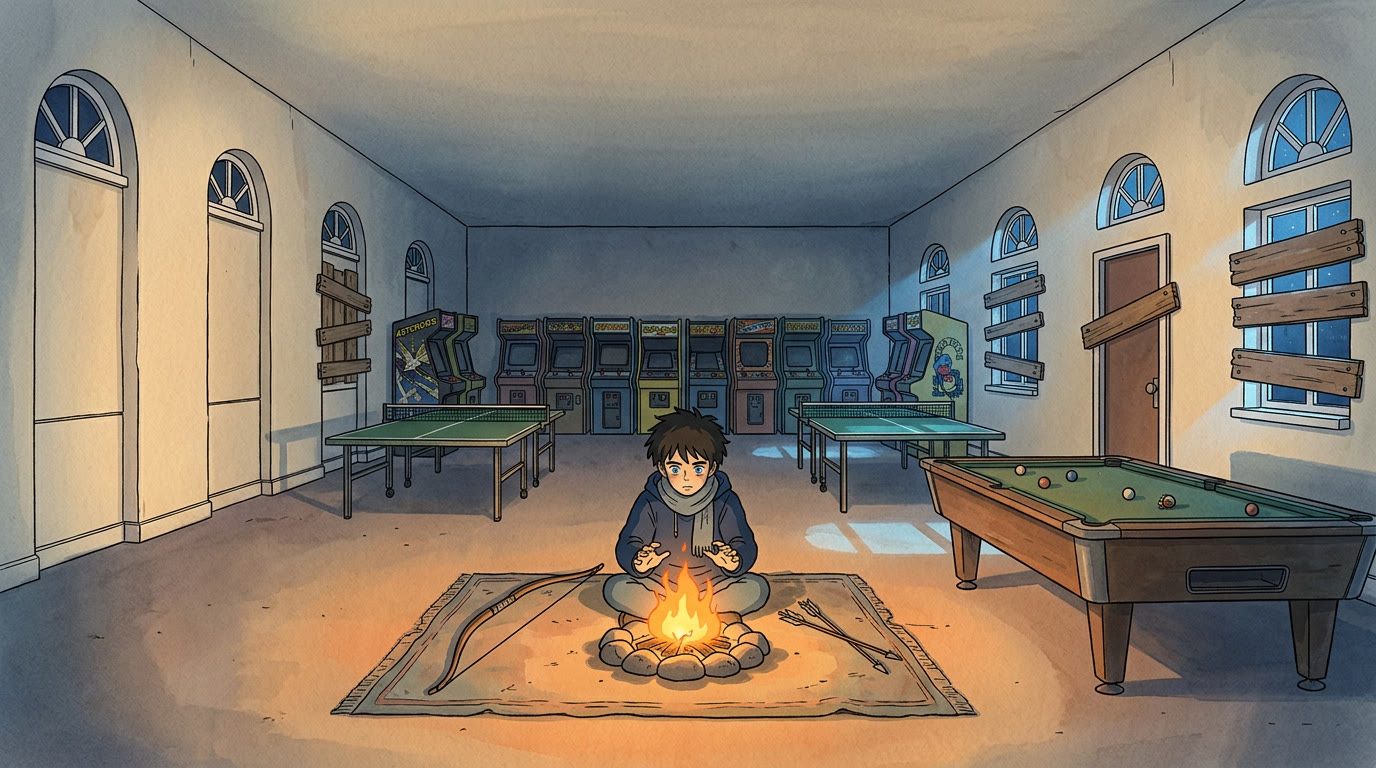
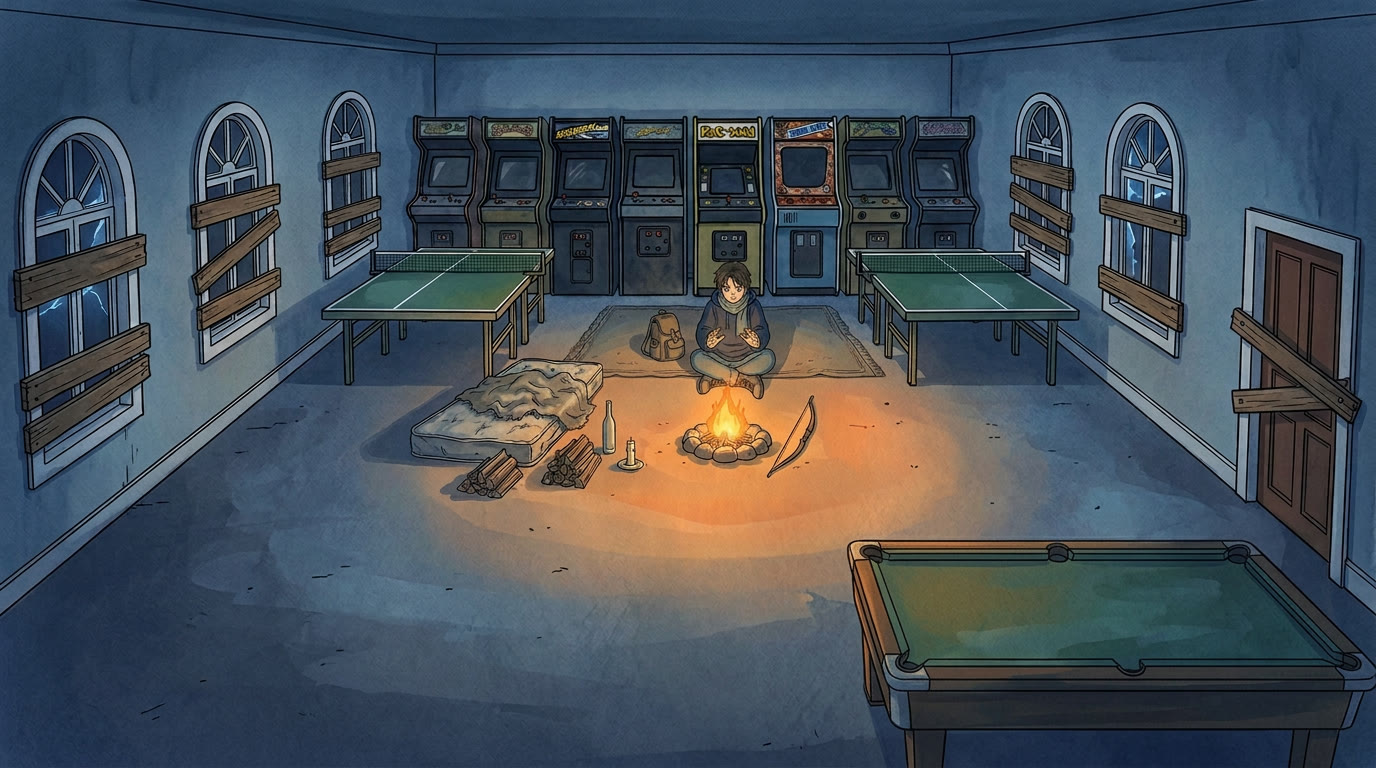
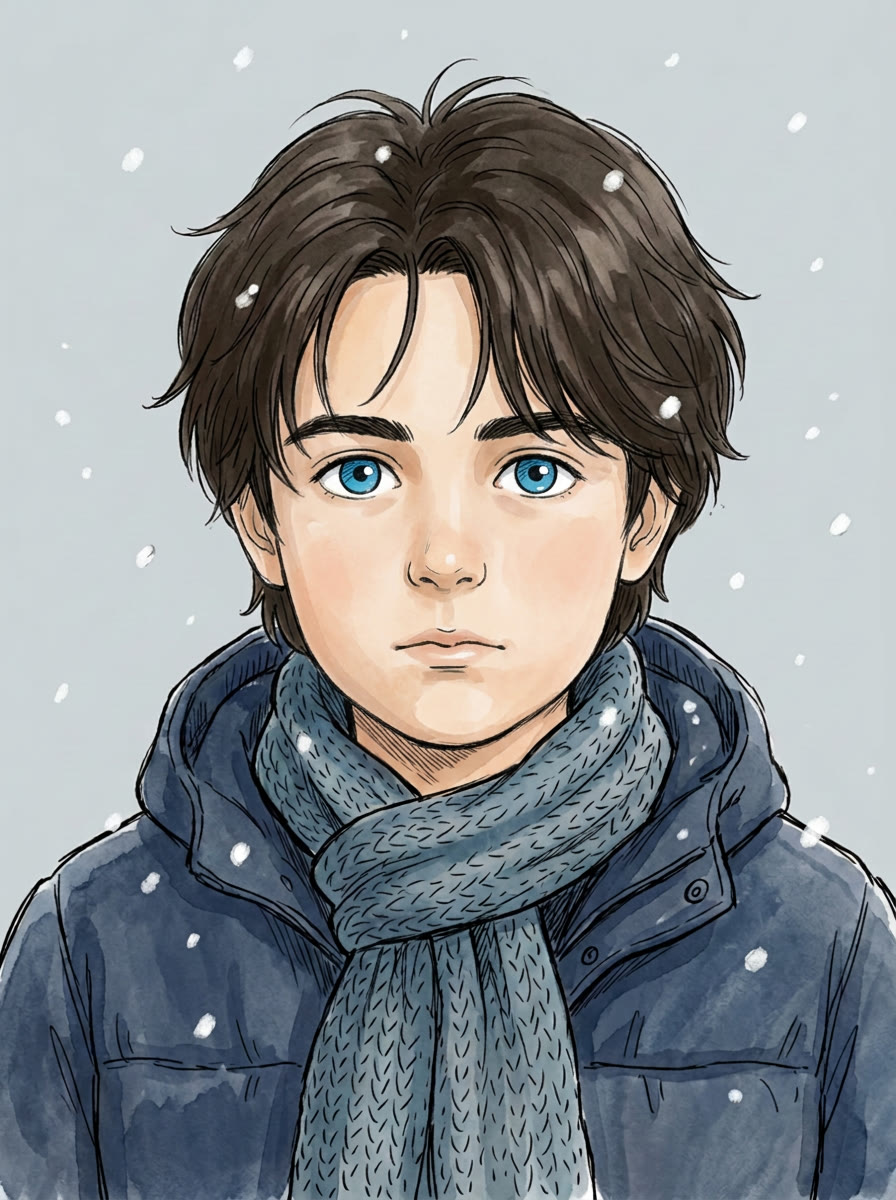
The same face, from first to last
Making one beautiful image is not the hard part. The hard part is making the thirtieth with the same boy as the first. Every new image starts from this portrait and from the shots already approved, and each one is compared with the one before and the one after: the jacket, the scarf, the bow, the blue eyes in the close-ups.
Made with Venice.ai
A film of Martellago, generated with Venice
Almost every image and every clip in this film went through the Venice.ai API, the best private artificial intelligence platform.
Venice gives you access to the best models for text, images and video, including Nano Banana 2 and Seedance 2.5, which I used here, and it does not keep what you ask it: your prompts and results stay yours. For a project made of family photos and places from home, that is not a detail.
A credit that renews every day
I did not pay for the film by usage. I hold some DIEM, Venice's token: each DIEM is worth one dollar of API credit a day, every day. At midnight the credit resets, and whatever you have not used is gone. So I organised the work around that budget: about three dollars a day, enough for twenty or so images, or for four or five clips. Only on the few days when the credit had already run out did I make a few images and clips elsewhere, with the same models (about 2 $ in all).
Why it is called Venice
The name is no accident. In the sixteenth century Venice was the printing capital of Europe, and for many years it was one of the few places in Europe where you could publish what was forbidden elsewhere. A refuge for ideas, while in the rest of the continent books were being burned. Venice.ai takes its inspiration from that Venice: an open place, where you can think and create without being watched or censored.
For me, having grown up in Martellago, a few kilometres from the lagoon, it means something: the leading platform for private artificial intelligence is named after our Venice. And with that platform I redrew our town.
What it costs
Doing the sums
Artificial intelligence is not free. Every image, every clip, every sound has a price, and almost everything has to be redone several times. These are the costs of episode 1, taken from the log of every single attempt.
| Images and video Nano Banana 2 and Seedance 2.5, almost all with the daily Venice.ai credit | about 29 $ 27 $ Venice · 2 $ elsewhere |
| Music, voices and sounds ElevenLabs | about 7 € share of a 20 € a month subscription |
| Technical direction and editing Claude Code | about 15 € share of a 90 € a month subscription |
| Time | 12 days |
| Total in money | about 50 € |
About 15 € per minute of film. But the biggest cost is time.
Where it goes
To be continued…
At the end of episode 1, in the dark, a wolf howls in the distance. Episode 2 starts from there, and it is already in the works.
With episode 2, what changes most is the way of working. I made episode 1 by hand, one shot at a time. Episode 2 is far more automated: the story, the shots and the matters of taste stay mine, and the machine does the repetitive work, at night.
Every night, at 11 pm
- An agent (Claude Code) takes from the list the shots that already have an approved image and generates the clips with Venice, using the day's credit before it expires.
- A second, independent agent watches each clip and judges it. Does the movement make sense? Are the characters still the same? Can you hear something that should not be there?
- If a clip is not good enough, it makes another, up to three attempts.
- It re-edits the episode with the new clips, updates the working page and sends a notification to my phone.
- If there is credit left, it prepares proposals for the next shots.
In the morning I watch, approve or ask for a redo. The Venice credit is never wasted, and the night works for me.
After the second, perhaps a third episode. It is an open project, without an ending already written: it goes on as long as there is something to tell.
Thanks
A town that remembers
I redrew the ACLI bar in the prologue from period photos by Andrea Causin (Fullio), Gianluca Damiani and the Freccia Azzurra association. Without those photos, that Sunday morning would not feel so real.
Other people's memories have already made this film truer than I could have made it alone. Because a town, in the end, remembers better together.
Help me
Do you have old photos of Martellago? Send them to me
For the episodes to come I need images of Martellago as it was: the squares, the streets, the shops, the bars, the houses, the people. From the seventies to the early nineties.
The more real photos I have, the more the town in the film looks like the one we remember. In episode 1 a few details are wrong precisely because they were missing: a building that was not there then, a façade in another colour.
If you have any, send them to me on Facebook, on LinkedIn or by email, telling me I may use them for the film. If you like, your name goes in the credits.
1983
an animated film by Tripluca.com · October 2026
images and video generated with Venice.ai (Google's Nano Banana 2, ByteDance's Seedance 2.5)
sound by ElevenLabs · technical direction by Claude Code (Anthropic)